
One of the most common questions we hear from newcomers is:
"What equipment do I actually need for my first historic rally?"
The good news is that getting started is often much simpler than people imagine.
Over the years, we've seen competitors arrive at events in everything from modest family classics to meticulously prepared rally cars. While equipment can certainly make life easier, success in historic rallying is usually built on preparation, reliability and teamwork rather than the size of your budget.
If you're preparing for your first event, here are the essentials I'd focus on.
Start with a Reliable Car
Before thinking about navigation equipment or specialist accessories, your priority should be ensuring your car is mechanically sound.
A reliable car will always be more valuable than an expensive one.

Check the basics:
- Brakes
- Tyres
- Lights
- Cooling system
- Battery
- Fluids
- Suspension
- Wipers
Many historic rallies cover significant distances and often include long days behind the wheel. Reliability is one of the biggest contributors to a successful event.
Understand the Role of the Navigator
Historic rallying is very much a team sport.
The driver focuses on driving the car smoothly and accurately, while the navigator is responsible for interpreting route instructions, monitoring distances and helping the crew stay on schedule.
A good driver and navigator partnership is often more important than any piece of equipment you can buy.
If you're new to rallying, spend some time learning how roadbooks, tulips and timing work before the event. The more familiar you are with the basics, the more enjoyable your first rally will be.
Navigation Equipment
Most historic rallies rely on accurate navigation and distance measurement.
For your first event, you'll want a reliable way of measuring distance and following route instructions.
Depending on the event, this may include:
- A tripmeter
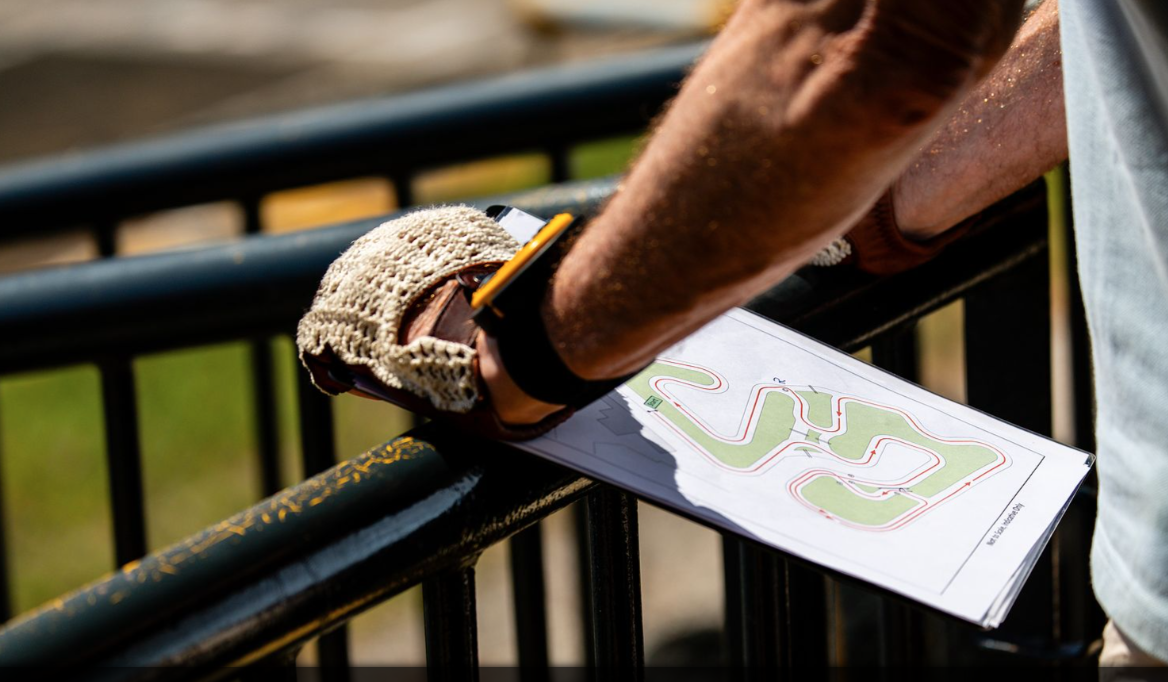
- Route instructions or roadbook
- Stopwatch or timing device
- Clipboard and note-taking materials
Many crews start with a simple setup and add more equipment as they gain experience.

Timing Equipment
Regularity rallying is based on maintaining the correct average speed rather than driving quickly.
This means accurate timekeeping is important.
For many beginner events, a straightforward stopwatch is perfectly adequate. More experienced competitors may choose to use dedicated timing equipment, but it's important not to overcomplicate things when starting out.
The goal of your first rally should be learning the process and enjoying the experience.
Safety and Practical Essentials
A few simple items can make a huge difference during an event.
I would always recommend carrying:
- Basic tool kit
- First aid kit
- Torch
- Spare fuses
- Cable ties
- Electrical tape
- Spare bulbs
- Mobile phone charger
You may never need them, but you'll be glad they're there if you do.
Clothing and Comfort
Historic rallies often involve long hours in the car and changing weather conditions.
Comfort is frequently overlooked by first-time competitors.
Consider:
- Lightweight layers
- Waterproof outerwear
- Comfortable footwear
- Sunglasses
- Driving gloves
Being comfortable allows you to stay focused and enjoy the event far more.
Vehicle Tracking
Many modern historic rallies utilise vehicle tracking systems for safety and event management purposes.
Tracking allows organisers to monitor the progress of competitors throughout an event and provides an additional layer of reassurance for both crews and organisers.
If tracking is required, event organisers will normally provide guidance well in advance.
Don't Buy Everything at Once
One of the biggest mistakes newcomers make is assuming they need the same equipment as crews who have been rallying for decades.
You don't.
Start with the essentials.
Learn what works for you and your navigator.
Gain experience.
Then build your setup gradually over time.
The best rally crews aren't necessarily the ones with the most equipment; they're the ones who understand how to use the equipment they have.
Final Thoughts
Historic rallying is one of the most rewarding forms of motoring. It combines adventure, teamwork, navigation and some of the finest roads in the world.
If you're preparing for your first event, focus on reliability, preparation and learning the basics. A dependable car, a willing navigator and a positive attitude will take you much further than a boot full of gadgets.
Most importantly, enjoy it.
Every experienced competitor started exactly where you are now.

Share:
The Evolution of Historic Rallying Through the Decades
Understanding Roadbooks, Tulips and Rally Navigation